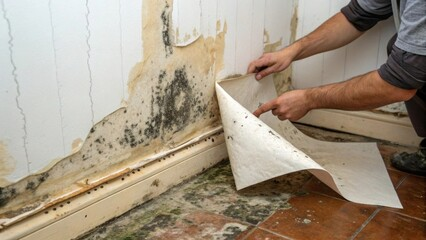
A mold inspection is a crucial step in assessing a home. However, not all mold inspectors are the same. Some are remediation contractors with a mold “add-on” while others are certified home inspectors with special training and equipment such as moisture meters.
Make sure that the mold inspector you choose is certified by a credible organization and uses a recognized lab for testing analysis. They should also be able to provide a scope of work that a mold remediation company can follow. Visit Our Website for more information.
1. Reputation
When selecting a Mold Inspector, it is just as important to research them as you would for any other service provider such as a plumber, electrician or even your doctor. You want to be sure that they are experienced in the field and are reputable. Word of mouth, referrals and professional certification are good ways to select an inspector.
A common scam involves a company promoting themselves as certified in mold inspection and testing. They may have an impressive looking certificate but this is not valid. These “Certification Mills” present courses on line and collect fees without requiring any field experience or testing and do not protect the certificant or the consumer from legal challenges.
You should always ask a prospective mold inspector how long they have been in business and how many mold inspections they have performed. In addition, you should also inquire about their fee structure and whether they charge by the hour or a flat rate and whether lab fees are included in the inspection fee. A quality mold inspector will be able to explain their inspection process and provide references.
Another thing to keep in mind is that some companies who perform mold inspections may also perform remediation. This can create a conflict of interest and may cause them to exaggerate the amount of mold in your home. Choose an independent mold inspection company who does not do remediation.
Before your appointment, make sure that you shut off any air conditioners, humidifiers or dehumidifiers. These devices can change the natural concentration of mold spores in the air and distort test results. Also, be sure to close all windows and doors during the inspection. This will maximize the concentration of spores for easier detection.
2. Experience
A quality mold inspector is going to have years of experience. You want to be sure that the individual who comes into your home is familiar with all of the factors that are known to contribute to indoor environmental conditions that favor mold growth such as humidity, temperature, vapor pressure and dew point.
One way to determine this is to ask how many mold inspections the person has done in a year. If you have a choice, it’s best to hire a person who has performed several hundred inspections per year.
This will help you avoid the rookies who are just getting their feet wet in this industry and will give you a much more accurate picture of what a qualified professional should do.
It’s also a good idea to check out the company online and find out what others have said about them. Most reputable companies will have a list of testimonials and personal statements from satisfied clients.
When hiring a mold inspection company, don’t forget to ask about insurance coverage. The reputable companies will have general liability as well as professional errors and omissions (E&O) insurance.
If a company doesn’t carry E&O insurance, it may be time to look elsewhere. This type of insurance will protect you in the event of a lawsuit that may result from the mold inspection.
One final thing to keep in mind when choosing a mold inspector is to trust your instincts. Despite all of the research and credentials you have gathered, your gut feeling may be telling you that this particular individual isn’t the right choice for your specific situation. This is especially important for large projects such as commercial property mold testing and a residential multi-family structure inspection.
3. Certification
The most reliable mold testing professionals have a strong track record and are properly certified. This includes a verified certification through the American Council for Accredited Certifications (ACAC), as well as membership in a trade association that recognizes their credentials. Look for online ratings and personal statements from past clients to gauge the quality of their services. A quality firm should also follow a thorough mold inspection process to ensure accurate assessments of the extent of any contamination.
It’s essential to find a company that specializes in mold inspection and testing only. Avoid referral sites like HomeAdvisor, Angi and Thumbtack that often send your request to multiple unvetted companies to receive the highest bid. This results in shady contractors who may exaggerate the severity of your situation to get more work.
A quality mold inspector will carry workers’ compensation and general liability insurance as well as professional liability insurance. Ask to see proof of these policies and make sure they’re active. In addition, make sure the company and your inspector are bonded to guarantee your interests are protected.
It’s also important to evaluate your prospective mold inspector for their certification type, industry experience and expertise. Consider the number of years they’ve been in business, and the diversity of projects they have handled. Additionally, inquire about their knowledge of different types of molds and remediation techniques. Finally, find out how they keep their credentials current by seeking out continual education opportunities. Prioritizing your inspector’s experience and expertise will help you feel confident that they are qualified to handle your project. Then you can focus on finding the right solution for your specific concerns. A reputable mold testing professional will take the time to educate you, ensuring your needs are met accurately and thoroughly.
4. Insurance
Mold inspectors should carry a liability insurance. This is commonly referred to as Errors and Omissions (E&O) insurance. This type of insurance protects the home buyer in case the inspector makes a mistake that results in damage to property or bodily harm. Many reputable companies carry this form of insurance.
When choosing a mold inspector, ask to see proof of insurance. You can also call the insurer directly to verify the policy details. If the inspector is unable to provide proof of insurance, it is best to find another company.
The size of the home and whether or not an invasive inspection is needed will affect the cost of the inspection. Invasive inspections that require cutting into drywall or digging in crawlspaces will cost more than standard mold inspections.
Some contractors that specialize in mold remediation may offer to perform a mold inspection for free, though they will obviously hope to be hired for the remediation. This is a good way to save money on the inspection, but you should always get a quote from multiple contractors before choosing one.
Another important factor to consider is whether or not the mold inspector has a license or certification. Some municipalities require mold inspections or remediation be performed by a licensed or certified contractor.
It is also important to remember that a mold inspection will not show all the mold that is present in the home or property. Even if a home appears to be clean, there may be hidden mold behind walls or in attics. Remediation is typically required to completely remove all the mold and moisture from a property. Mold remediation begins with finding and fixing the source of the moisture, such as a leak or condensation.
5. Fees
Many home inspection companies that specialize in water damage can also do mold detection. But be aware that these firms might have a conflict of interest since they are likely to also do the mold remediation, which can lead to the over-diagnosis of problems.
The best way to choose a mold inspector is to find one that has independent certification through a organization that requires field experience and a stringent exam to gain credentials. Many insurance companies, real estate agents and home buyers only work with certified mold inspectors.
In addition to identifying visible mold, an inspector will determine whether the issue is caused by a moisture problem and recommend the appropriate remediation strategy. This often involves a thorough visual inspection as well as laboratory testing of air and surface samples. The inspector will also advise the client on how to prevent further problems and how to manage the cleanup process once the remediation is complete.
Before your inspector visits, make sure to remove any debris and clutter from the home. Vacuuming and heavy cleaning can also affect air spore counts, so you should avoid these activities for two days before the assessment. Rain can also distort your inspector’s outdoor sample, since mold grows fast after rainfall.
When hiring a mold inspector, always get a written estimate of the fees and payment terms before beginning any work. Inquire about any hidden charges that might be added after the fact. Also, check the inspector’s coverage insurance to ensure it includes mold claims. If they don’t, consider another inspector who does carry a valid policy. Finally, ask for references from past clients and personal statements of endorsement. The more positive the reviews and endorsements, the better your choice will be.