Color is one of the most powerful yet often underutilized tools in Oceanic Landscaping design. While structure, plant selection, and layout form the backbone of any outdoor space, color is what brings it to life. It influences mood, guides visual flow, highlights focal points, and creates harmony between natural and built elements. When used intentionally, color can transform an ordinary yard into a cohesive, visually engaging environment that feels both balanced and dynamic.
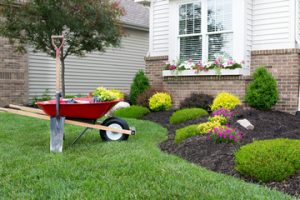
In landscaping, color is not limited to flowers alone. It extends to foliage, hardscape materials, mulch, lighting, and even outdoor furniture. Understanding how these elements interact allows for more intentional design decisions that enhance curb appeal and create a more immersive outdoor experience. Whether the goal is a calm, minimalist garden or a vibrant, expressive outdoor space, color is the thread that ties everything together.
Understanding the role of color in landscape design
Color in landscaping serves both aesthetic and functional purposes. On a visual level, it creates contrast, depth, and focal points. On a functional level, it can guide movement through a space, define different zones, and even influence perceived space size.
Warm colors like reds, oranges, and yellows tend to feel energetic and attention-grabbing, making them ideal for focal points or areas meant for social interaction. Cooler tones such as blues, purples, and soft greens create a calming effect and are often used in relaxation areas or background planting schemes. Neutral tones, including whites, grays, and earth tones, help balance more vibrant elements and provide visual relief.
When thoughtfully combined, these color families create rhythm and structure within the landscape. Without this planning, outdoor spaces can feel visually chaotic or flat.
Planning a color palette before planting
One of the most common mistakes in landscaping is selecting plants based solely on individual appearance rather than how they contribute to an overall color scheme. A successful landscape design begins with a clear color strategy that considers seasonal changes, plant maturity, and long-term visual impact.
Before selecting plants or materials, it helps to define a primary palette and supporting accent colors. This approach ensures consistency and prevents visual overload. A well-balanced palette typically includes dominant tones, secondary hues, and small accent bursts that add interest without overwhelming the design.
A structured approach to planning a color palette may include:
- Choosing a dominant color theme that sets the overall tone of the landscape.
- Selecting secondary colors that complement and support the dominant tone.
- Adding accent colors for focal points and seasonal variation.
- Considering how colors will shift across different seasons.
- Ensuring balance between plant colors and hardscape materials.
This level of planning creates cohesion and helps the landscape feel intentional rather than random.
Using plants as the primary source of color
Plants are the most obvious and dynamic source of color in landscaping. Unlike static materials, plants change throughout the year, offering evolving color palettes across seasons. Flowers provide vibrant bursts of color, while foliage offers more stable, long-term hues that define the structure of the garden.
Green is the foundational color in most landscapes, but even within green there is significant variation. Light lime tones, deep forest greens, blue-green shades, and variegated leaves all contribute subtle complexity. When layered correctly, these variations create depth even without flowers in bloom.
Flowering plants add seasonal highlights that can be strategically placed to draw attention to specific areas. For example, bright blooms can be used near entryways or seating areas, while softer tones can blend into background plantings.
To effectively use plant color in landscaping, consider:
- Mixing evergreen and deciduous plants for year-round structure.
- Layering foliage textures to enhance visual depth.
- Using flowering plants for seasonal emphasis.
- Repeating certain plant colors to create rhythm.
- Balancing bold colors with neutral greenery.
This approach ensures that color remains consistent and engaging throughout the year.
Hardscaping as a foundation for color balance
Hardscaping elements such as patios, walkways, retaining walls, and stone features play a critical role in establishing the base color tone of a landscape. Unlike plants, hardscape materials are permanent or semi-permanent, meaning they set the long-term visual foundation of the space.
Natural stone, concrete, brick, and wood all bring different color characteristics that influence the surrounding plant palette. For example, warm-toned stone may pair well with cooler plant selections to create contrast, while neutral gray surfaces can allow more vibrant plant colors to stand out.
Hardscaping should not be treated as background alone; it actively shapes how color is perceived throughout the landscape.
Key considerations when integrating hardscape color include:
- Matching or complementing exterior building tones.
- Using neutral surfaces to highlight plant color.
- Introducing texture variations to enhance visual interest.
- Maintaining consistency across multiple outdoor zones.
- Balancing warm and cool tones for visual harmony.
When coordinated properly, hardscape and plant colors work together to create a unified design language.
Seasonal color changes and long-term planning
One of the unique challenges in landscaping is accounting for seasonal change. Unlike interior design, outdoor spaces evolve throughout the year, meaning color schemes must remain effective across multiple conditions.
A well-designed landscape considers how color will shift from spring to winter. Spring often brings bright blooms and fresh greens, summer emphasizes full foliage and vibrant growth, autumn introduces warm earthy tones, and winter may rely on evergreen structure and hardscape visibility.
Planning for seasonal variation ensures that the landscape remains visually appealing year-round rather than only during peak blooming periods.
Effective seasonal planning often involves:
- Selecting plants with staggered blooming cycles.
- Incorporating evergreen species for winter structure.
- Using mulch and ground cover for consistent base color.
- Planning focal points that remain visually strong in all seasons.
- Balancing seasonal highlights with permanent color elements.
This creates continuity even as the environment changes.
Creating focal points through color contrast
Color contrast is one of the most effective ways to create focal points in a landscape. By placing contrasting colors next to each other, certain areas naturally draw the eye. This technique can be used to highlight entrances, seating areas, water features, or sculptural elements.
For example, a cluster of bright flowering plants placed against a backdrop of deep green foliage creates immediate visual impact. Similarly, light-colored hardscape elements can stand out dramatically when surrounded by darker plantings.
However, contrast must be used carefully. Too much contrast can feel overwhelming, while too little can make the landscape appear flat. The goal is controlled emphasis rather than visual competition.
Using repetition for visual harmony
While contrast creates focal points, repetition creates cohesion. Repeating colors throughout a landscape helps guide the eye and connect different areas of the space. This does not mean everything should look identical; rather, certain colors or plant types should appear in multiple locations to create rhythm.
Repetition can be subtle, such as repeating a specific flower color in different garden beds, or more structural, such as using similar hardscape tones across multiple pathways.
This technique helps unify large or complex landscapes, making them feel intentional and well-designed.
The psychological impact of landscape color
Color in landscaping also influences mood and perception. Outdoor spaces are often used for relaxation, social gatherings, or personal reflection, and color choices can enhance these experiences.
Cool tones tend to create calm and relaxation, making them ideal for private garden areas. Warm tones feel more energetic and social, making them suitable for entertainment spaces. Neutral tones provide balance and help prevent overstimulation.
Understanding these psychological effects allows for more purposeful design decisions that align with how the space will be used.
Practical tips for effective color use in landscaping
To apply color effectively in landscaping, it is important to maintain balance between creativity and structure. Overuse of color can lead to visual clutter, while underuse can result in a lack of interest.
Some practical guidelines include:
- Limit dominant colors to a manageable range to maintain cohesion.
- Use greenery as a stabilizing foundation for all color schemes.
- Introduce bold colors in small, controlled areas.
- Consider viewing angles from inside the home as well as outdoors.
- Adjust color intensity based on space size and lighting conditions.
These principles help ensure that color enhances rather than overwhelms the landscape.
Conclusion
Color is one of the most influential elements in landscaping design, shaping how outdoor spaces are experienced, perceived, and enjoyed. When used strategically, it enhances structure, creates focal points, improves harmony, and adds emotional depth to the environment. From plant selection and hardscape materials to seasonal planning and psychological impact, color plays a central role in transforming ordinary outdoor areas into visually cohesive and engaging landscapes.
A successful landscaping design does not rely on color alone, but integrates it thoughtfully with structure, texture, and spatial planning. By understanding how different colors interact and influence perception, it becomes possible to create outdoor spaces that are not only beautiful but also balanced, functional, and enduring.