A home building project is one of the most significant investments a person can undertake. Unlike purchasing an existing property, building a home from the ground up provides the opportunity to customize every aspect of the living space according to personal preferences, lifestyle requirements, and long-term goals. From selecting the right design to managing construction timelines and budgets, every stage of the process contributes to the success of the finished home. Understanding the fundamentals of a home-building project can help homeowners make informed decisions and avoid common challenges along the way.
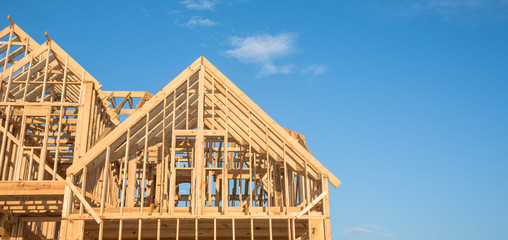
The planning stage serves as the foundation of any successful home-building project. Before construction begins, it is important to establish clear objectives regarding the size, layout, functionality, and style of the home. Proper planning helps ensure that the final structure aligns with both current and future needs. Homeowners should consider factors such as family growth, storage requirements, energy efficiency, and overall comfort. By identifying priorities early in the process, it becomes easier to make decisions that support the project’s long-term value and practicality.
Budgeting is another critical aspect of a home-building project. Establishing a realistic budget helps prevent unexpected financial strain and allows for better resource allocation throughout construction. A comprehensive budget should include materials, labor, permits, inspections, site preparation, utility connections, and contingency funds for unforeseen expenses. Construction costs can fluctuate due to market conditions, material availability, and project complexity. Maintaining a detailed financial plan helps homeowners stay on track while minimizing costly surprises that can delay progress or compromise quality.
Choosing the right home design is often one of the most exciting phases of a home-building project. Modern homeowners seek a balance between aesthetics and functionality. Open floor plans, flexible living spaces, energy-efficient features, and smart home technology have become increasingly popular design elements. The layout should support daily activities while maximizing comfort and convenience. Thoughtful design choices can improve traffic flow, enhance natural lighting, and create a more enjoyable living environment. A well-designed home not only meets immediate needs but also retains its appeal and functionality for years to come.
Several important factors should be evaluated when developing a home design:
- Space utilization and room functionality.
- Energy efficiency and sustainability features.
- Future expansion or modification possibilities.
- Natural lighting and ventilation opportunities.
- Storage capacity and organizational solutions.
Careful consideration of these elements can significantly improve both the practicality and long-term value of the property.
Site preparation is another essential component of a successful home-building project. Before construction can begin, the land must be properly evaluated and prepared to support the structure. This process may include grading, drainage improvements, soil testing, excavation, and utility planning. Proper site preparation helps create a stable foundation while reducing the risk of future structural issues. Ignoring site conditions can lead to costly repairs, water intrusion problems, and reduced building performance. Investing time and resources into this phase helps establish a strong foundation for the entire project.
The quality of construction materials plays a major role in determining the durability and longevity of a home. While budget considerations are important, selecting high-quality materials often results in lower maintenance costs and improved performance over time. Durable roofing systems, reliable insulation, quality flooring, and strong framing materials contribute to the home’s structural integrity and energy efficiency. Materials should be chosen based on climate conditions, expected wear and tear, and long-term maintenance requirements. A focus on quality helps ensure that the finished home remains comfortable, safe, and visually appealing for many years.
Communication and project management are equally important during a home-building project. Construction involves multiple phases and various professionals working together to achieve a common goal. Clear communication helps prevent misunderstandings, scheduling conflicts, and costly mistakes. Regular project updates allow homeowners to monitor progress, address concerns, and make timely decisions when adjustments become necessary. Effective project management ensures that construction activities remain organized, efficient, and aligned with established timelines and budgets.
Energy efficiency has become a major priority in modern home construction. Homeowners increasingly recognize the benefits of reducing energy consumption and lowering utility costs. Incorporating energy-efficient solutions into a home building project can improve comfort while supporting environmental sustainability. Features such as advanced insulation, energy-efficient windows, efficient heating and cooling systems, and smart technology contribute to better overall performance. These improvements often provide long-term savings while enhancing the home’s market value.
Some of the most valuable energy-efficient upgrades include:
- High-performance insulation systems.
- Energy-efficient windows and doors.
- Smart thermostats and automation controls.
- Efficient lighting solutions.
- Water-saving fixtures and appliances.
These features can help homeowners achieve greater comfort and operational efficiency throughout the life of the home.
Quality control and inspections remain essential throughout every phase of construction. Regular inspections help verify that work meets applicable standards and design specifications. Identifying potential issues early allows corrections to be made before they develop into larger and more expensive problems. Structural components, electrical systems, plumbing installations, and mechanical systems should all undergo thorough evaluation during construction. Consistent quality control helps ensure that the finished home is safe, reliable, and built to perform as intended.
As construction nears completion, attention shifts toward finishing details that bring the home to life. Interior finishes, cabinetry, flooring, fixtures, paint, and landscaping all contribute to the overall appearance and functionality of the property. While these final touches may seem less significant than structural elements, they play a major role in creating a welcoming and personalized living environment. Careful selection of finishes helps establish a cohesive design while reflecting the homeowner’s unique preferences and lifestyle.
A successful home building project requires careful planning, disciplined budgeting, quality craftsmanship, and effective project management. Every stage of the process contributes to the creation of a home that provides comfort, functionality, and lasting value. By approaching the project with clear goals and a commitment to quality, homeowners can transform their vision into a durable and beautiful living space. Whether building a first home or creating a long-term residence, thoughtful decision-making throughout the construction process lays the foundation for years of satisfaction and enjoyment.