Roofing has always been one of the most essential components of any structure, serving as the first line of defense against weather, temperature fluctuations, and environmental wear. Traditionally, roofing systems were relatively simple, relying on materials like asphalt shingles, clay tiles, or metal sheets to provide basic protection. While these materials are still widely used, the roofing industry is undergoing a significant transformation. Advances in materials science, energy efficiency demands, climate resilience needs, and construction technology are reshaping what roofing can do and how it contributes to the overall performance of a building.
Modern Cedar Park Roofing is no longer just about keeping rain out. It is increasingly about energy generation, sustainability, insulation performance, weather resistance, and even smart technology integration. As buildings become more energy-conscious and environmentally regulated, roofing systems are evolving into high-performance architectural components rather than passive coverings. Understanding the future of roofing means looking beyond shingles and exploring how innovation is redefining durability, efficiency, and functionality.
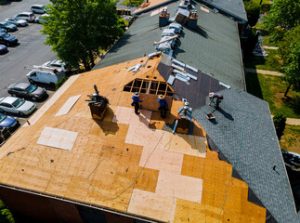
The Evolution of Roofing from Basic Protection to Advanced Systems
Historically, roofing was designed with one primary purpose: protection from external elements. Early systems prioritized durability and availability of materials rather than efficiency or environmental performance. Over time, however, roofing design began incorporating insulation layers, improved waterproofing techniques, and more durable surface materials.
Today, roofing is increasingly integrated into the overall building envelope strategy. It is not treated as a standalone element but as part of a system that includes walls, insulation, ventilation, and energy management. This shift reflects broader changes in architecture and construction, where performance and sustainability are prioritized alongside structural integrity.
Modern roofing systems now address multiple objectives simultaneously, including thermal regulation, moisture control, energy efficiency, and environmental impact reduction. This multi-functional approach is driving innovation across the industry.
The Rise of Energy-Efficient Roofing Systems
One of the most significant trends in modern roofing is the focus on energy efficiency. Buildings account for a substantial portion of global energy consumption, and roofs play a major role in regulating indoor temperatures. Traditional roofing materials often absorb heat, increasing cooling demands and energy usage. New roofing technologies are designed to counteract this effect.
Cool roofing systems, reflective coatings, and high-performance insulation materials are becoming more common as property owners seek to reduce energy costs and environmental impact. These systems are engineered to reflect more sunlight and absorb less heat, helping maintain stable indoor temperatures even in extreme climates.
Energy-efficient roofing solutions typically focus on:
- Reflective surface materials that reduce heat absorption.
- Enhanced insulation layers that minimize thermal transfer.
- Ventilation systems that regulate attic or roof cavity temperatures.
- Integrated design approaches that improve overall building efficiency.
By reducing reliance on heating and cooling systems, these innovations contribute to both cost savings and sustainability goals.
Solar Integration and Energy-Generating Roofs
Perhaps the most transformative development in modern roofing is the integration of solar energy systems. Roofs are increasingly being used as platforms for energy generation, turning buildings into partial power producers rather than passive consumers.
Traditional solar panels have been widely adopted, but newer technologies are pushing this concept further. Instead of simply mounting panels onto existing roofs, solar-integrated roofing materials are being developed to blend energy generation directly into the roof structure itself.
These systems aim to provide a seamless appearance while capturing solar energy efficiently. They represent a shift toward multifunctional building components that combine protection and power generation in a single system.
Key benefits of solar-integrated roofing include:
- Reduced electricity costs over time.
- Lower reliance on external energy sources.
- Improved property value through energy efficiency.
- Reduced environmental footprint.
- Streamlined aesthetic integration with building design.
As energy demands continue to rise, solar roofing is expected to play an increasingly central role in residential and commercial construction.
Advanced Materials Redefining Durability
Material innovation is another major driver of change in roofing systems. Traditional materials like asphalt and basic metal sheets are being enhanced or replaced by advanced composites, polymers, and engineered materials designed for superior performance.
Modern roofing materials are developed to withstand harsher environmental conditions, including stronger winds, heavier rainfall, increased UV exposure, and temperature extremes. These improvements are especially important as climate variability becomes more pronounced.
Advanced materials offer benefits such as improved lifespan, reduced maintenance requirements, and enhanced resistance to cracking, corrosion, and impact damage. Some materials are also designed to be lighter, reducing structural load while maintaining strength.
Emerging roofing materials often emphasize:
- High durability under extreme weather conditions.
- Resistance to UV degradation and thermal expansion.
- Lightweight construction for easier installation.
- Recyclability and environmental sustainability.
- Long-term performance with minimal maintenance.
These advancements are reshaping expectations for what roofing systems can achieve over their lifetime.
Smart Roofing and Digital Integration
Technology is also playing a growing role in the evolution of roofing systems. Smart roofing refers to the integration of sensors, monitoring systems, and digital tools that provide real-time data about roof performance and condition.
These systems can detect moisture buildup, temperature fluctuations, structural stress, and potential leaks before they become serious problems. By providing early warning signals, smart roofing technology helps prevent costly repairs and extend the lifespan of roofing systems.
In more advanced applications, smart roofs can be integrated with building automation systems to optimize energy use, ventilation, and climate control.
Common features of smart roofing systems include:
- Moisture detection sensors for early leak identification.
- Thermal monitoring for energy efficiency optimization.
- Structural health tracking for maintenance planning.
- Integration with smart home or building systems.
- Predictive maintenance alerts based on performance data.
This shift toward data-driven maintenance represents a major step forward in building management and long-term asset protection.
Sustainability and Environmentally Conscious Roofing
Sustainability has become a central focus in modern construction, and roofing plays a key role in reducing environmental impact. Roofing systems are increasingly being designed with recyclable materials, energy efficiency in mind, and reduced environmental footprints throughout their lifecycle.
Green roofing systems, which incorporate vegetation layers, are also gaining attention for their environmental and aesthetic benefits. These systems help reduce heat absorption, improve air quality, and manage stormwater runoff more effectively.
Sustainable roofing approaches often prioritize:
- Use of recycled or recyclable materials.
- Reduction of construction waste.
- Energy-efficient design principles.
- Stormwater management capabilities.
- Extended product lifespan to reduce replacement frequency.
These strategies contribute to broader environmental goals while also improving building performance.
Climate Resilience and Extreme Weather Adaptation
As weather patterns become more unpredictable, roofing systems must be designed to withstand increasingly severe conditions. High winds, heavy rainfall, hail, and temperature extremes all place stress on traditional roofing materials.
Modern roofing solutions are being engineered with enhanced resilience in mind. This includes improved fastening systems, reinforced materials, and designs that distribute stress more effectively across the structure.
Climate-resilient roofing systems aim to minimize damage during extreme events and reduce the likelihood of catastrophic failure. This focus is especially important for long-term property protection and insurance risk reduction.
The Future Direction of Roofing Innovation
Looking ahead, roofing is expected to continue evolving into a highly integrated component of building design. Future systems will likely combine energy generation, environmental monitoring, smart technology, and advanced materials into unified roofing solutions.
Rather than being viewed as a static layer, roofs will increasingly function as dynamic systems that respond to environmental conditions and contribute actively to building performance.
The ongoing development of multifunctional roofing reflects a broader trend in construction: the shift from passive structures to intelligent, adaptive environments.
The future of roofing extends far beyond traditional shingles and basic protection systems. Modern roofing solutions are becoming more efficient, durable, sustainable, and technologically advanced. From energy-efficient materials and solar integration to smart monitoring systems and climate-resilient designs, roofing is evolving into a critical component of modern building performance.
As innovation continues, roofs will no longer be seen simply as coverings but as active systems that contribute to energy production, environmental sustainability, and structural intelligence. This transformation represents a fundamental shift in how buildings are designed and how they interact with the environment.
Ultimately, exploring the future of roofing means recognizing its growing role in shaping safer, smarter, and more sustainable built environments.