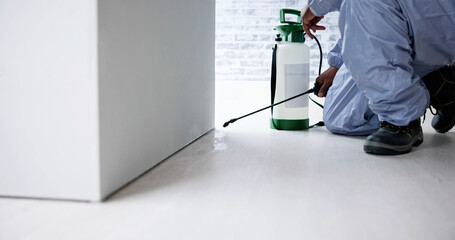
Maintaining a clean, safe, and professional commercial space is essential for every business, regardless of its industry. Whether it is an office building, retail store, warehouse, restaurant, medical facility, or manufacturing site, pests can disrupt operations, damage property, create health concerns, and negatively affect a company’s reputation. A single pest sighting may lead to customer complaints, failed inspections, or costly repairs if the problem is not addressed promptly. Rather than waiting for an infestation to develop, many businesses invest in ongoing pest management programs that focus on prevention as well as treatment. Understanding the importance of pest control in commercial space helps business owners protect their employees, customers, inventory, and long-term success. Visit https://www.benspest.biz/ for more details.
Why Is Pest Control Important in Commercial Spaces?
Commercial properties often provide the ideal conditions for pests because they contain food, water, storage areas, waste collection points, and numerous hiding places. Businesses with frequent deliveries, heavy foot traffic, or large storage areas may unintentionally create opportunities for insects and rodents to enter the building. Once pests become established, they can spread quickly throughout offices, warehouses, kitchens, break rooms, and utility areas. Early prevention reduces the likelihood of widespread infestations. Maintaining a pest-free workplace supports daily business operations.
Pest infestations can also affect a company’s reputation and customer confidence. Clients who notice insects or rodents inside a commercial property may question the cleanliness and professionalism of the business. Negative online reviews, customer complaints, or failed health inspections can have lasting consequences for many industries. Routine pest control demonstrates a commitment to maintaining a clean and well-managed facility. Prevention helps protect both the business and its public image.
What Pests Commonly Affect Commercial Properties?
The types of pests found in commercial spaces often depend on the industry and the surrounding environment. Offices may experience ants, spiders, cockroaches, or rodents, while restaurants and food storage facilities often face additional challenges involving flies, stored product pests, or pantry insects. Warehouses may attract rodents because of available shelter and packaging materials, while healthcare facilities require strict pest prevention to maintain sanitary conditions. Every commercial property has unique pest management requirements. Understanding the specific risks allows businesses to develop more effective prevention strategies.
Seasonal conditions also influence pest activity throughout the year. Warmer weather may increase insect populations around building entrances, dumpsters, landscaping, and loading docks. During colder months, rodents often seek warmth inside commercial buildings where food and shelter are readily available. Regular inspections allow businesses to identify seasonal changes before infestations become established. Monitoring pest activity throughout the year supports continuous protection. A proactive approach minimizes operational disruptions.
How Does Professional Commercial Pest Control Work?
Professional pest control for commercial spaces begins with a comprehensive inspection of the property. Technicians examine both the interior and exterior of the building to identify pest activity, nesting areas, structural openings, moisture problems, and conditions that encourage infestations. Particular attention is given to kitchens, storage rooms, loading docks, utility spaces, waste disposal areas, and employee break rooms where pests commonly gather. A detailed inspection forms the basis of an effective treatment plan. Accurate evaluation improves long-term pest management.
Once the inspection is complete, technicians develop a customized treatment program based on the property’s specific needs. Depending on the type of business and the pests involved, treatment may include monitoring devices, bait stations, exclusion work, targeted applications, sanitation recommendations, and routine follow-up visits. Rather than relying on one-time treatments, commercial pest management focuses on preventing future infestations while addressing existing pest activity. Ongoing monitoring keeps the program effective as business operations change. Comprehensive management delivers stronger long-term results.
How Can Businesses Help Prevent Pest Infestations?
Employees play an important role in maintaining a pest-free commercial environment through consistent housekeeping and sanitation practices. Food should be stored properly, spills cleaned immediately, trash removed regularly, and recycling areas kept clean to reduce food sources that attract pests. Break rooms, kitchens, and storage areas should receive regular attention because even small amounts of food residue can encourage insect activity. Good housekeeping supports every professional pest control program. Daily routines contribute to long-term prevention.
Building maintenance is equally important for preventing pest problems. Sealing gaps around windows, doors, utility penetrations, and loading docks reduces potential entry points for insects and rodents. Repairing plumbing leaks, maintaining proper drainage, and keeping exterior landscaping well managed also make the property less attractive to pests. Regular maintenance inspections allow businesses to identify small issues before they become larger problems. Prevention begins with a well-maintained facility.
Why Is Routine Pest Control Better Than Waiting for an Infestation?
Many businesses only seek pest control after discovering visible pest activity, but waiting often allows infestations to become more widespread and expensive to resolve. By the time insects or rodents are noticed by employees or customers, pests may already be nesting behind walls, above ceilings, or inside storage areas. Larger infestations generally require more extensive treatment and may interrupt normal business operations. Preventive service helps businesses avoid these unnecessary complications. Early intervention is usually more effective and more economical.
Routine pest control also allows technicians to monitor changing conditions throughout the year. Seasonal pest activity, building renovations, increased deliveries, or operational changes can all influence pest pressure inside a commercial property. Regular inspections help identify these factors before they result in active infestations. Ongoing service allows treatment plans to adapt as the business evolves. Continuous monitoring provides greater protection than emergency treatments alone.
How Does Pest Control Support Workplace Health and Safety?
Maintaining effective pest control contributes to a healthier work environment for employees, customers, and visitors. Rodents, cockroaches, flies, and other pests can contaminate food preparation areas, storage facilities, and shared workspaces through droppings, urine, nesting materials, and bacteria. Reducing pest activity helps maintain cleaner indoor conditions while supporting sanitation standards. A healthier environment benefits everyone who enters the building. Clean facilities also improve employee confidence and comfort.
Pest control also helps protect commercial assets from unnecessary damage. Rodents may chew electrical wiring, packaging materials, insulation, and inventory, while certain insects can damage stored products, paper records, or wooden structures. Routine inspections allow businesses to detect early warning signs before expensive repairs or inventory losses occur. Protecting physical assets supports long-term operational efficiency. Preventive pest management reduces avoidable business expenses.
How Can Businesses Choose the Right Commercial Pest Control Program?
Selecting the right commercial pest control program begins with understanding the specific needs of the business. Different industries have different sanitation requirements, operating schedules, and regulatory standards that influence treatment recommendations. A thorough inspection should identify current pest activity, potential risk factors, and areas requiring ongoing monitoring. Customized treatment plans provide better protection than generic approaches. Every commercial property benefits from an individualized strategy.
Businesses should also evaluate the long-term value of a pest management program rather than focusing only on initial cost. Regular inspections, monitoring, preventive maintenance, clear communication, and detailed service reports all contribute to a successful partnership with a pest control provider. A comprehensive program helps minimize disruptions while supporting business continuity throughout the year. Investing in preventive pest management often saves time and money over the long term. Effective planning protects both daily operations and the company’s reputation.
Final Thoughts
Pest control in commercial space is an essential part of maintaining a safe, professional, and productive business environment. Routine inspections, preventative maintenance, targeted treatments, and ongoing monitoring help businesses reduce the risk of infestations before they disrupt operations or damage valuable assets. Whether managing an office, warehouse, retail store, restaurant, or another commercial facility, proactive pest management protects employees, customers, inventory, and the company’s reputation. By investing in a comprehensive pest control program, businesses can maintain cleaner facilities, improve workplace safety, and support long-term operational success.